
from https://mynasadata.larc.nasa.gov/basic-page/urban-heat-islands
What Are Urban Heat Islands?
An urban heat island is a when a city experiences much higher temperatures than in nearby rural or country areas. The sun’s heat and light reach the city and the country in the same way, but more of the heat stays in the city due to albedo.
Darker surfaces, like asphalt and concrete, have a lower albedo than natural surfaces, and absorb and hold heat better. They also are largely impenetrable to water. Surfaces which hold water can be cooled by evaporation, or evaporative cooling.
How much of a difference does this make? Try this interactive:
https://a816-dohbesp.nyc.gov/IndicatorPublic/data-stories/urban-heat-island/
Partial solutions for urban heat islands include:
Trees, green roofs, and vegetation can help reduce urban heat island effects by shading building surfaces, deflecting radiation from the sun, and releasing moisture into the atmosphere.
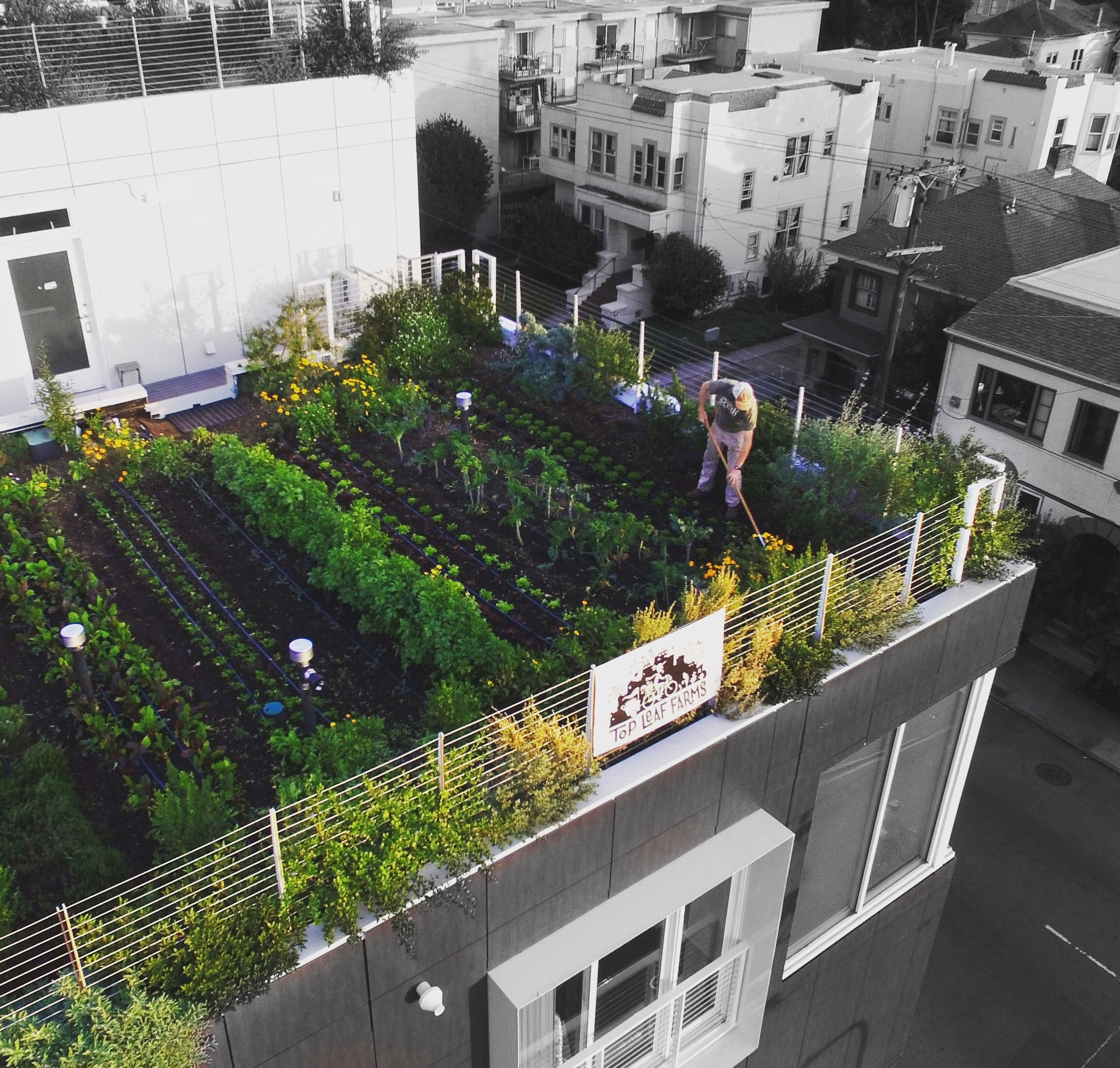
An idea that urban planners in the US are thinking of is called a Barcelona Superblock, which is an area with less traffic and more greenery.
It’s like a little park, but with parking for residents. Think it’s a cool idea?
Want to learn more?
https://mynasadata.larc.nasa.gov/basic-page/urban-heat-islands
https://www.epa.gov/green-infrastructure/reduce-urban-heat-island-effect#howto
 Climate Change Simply Explained
Leave a comment